Cuff Earrings 101: How to Wear, Style, and Choose the Perfect Pair
Cuff earrings are small metal bands that wrap around your ear cartilage. They give you the look of multiple piercings without any needles or pain. To wear one, slide the open gap over the top thin rim of your ear. Then glide further down to a comfortable point. Lastly, squeeze the sides together for the best fit. Avoid cheap metals and stick to good metals such as gold or silver so that they won't harm your skin. These accessories provide a convenient means of changing your look day after day.
What Are Cuff Earrings?
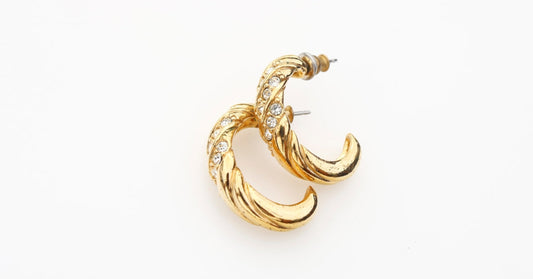
Ear cuff earrings do not require a pierced hole. They pass through a small opening in the metal to slip over the outer of your ear. After placing the piece on the ear, the ends are pushed together in a gentle manner. Once you place the piece on your ear, you gently press the ends together. This forms a safe friction fit that does not slip out.
Most of these jewelry pieces are available in two types:
- Standard Cuffs: These have a simple C-shape design. You slide them onto the upper ear and push them down to a natural fold.
- Pierced-to-Cuff Combos: These items connect a standard lobe stud to a top cartilage cuff using a delicate chain.
You do not need backings or screw caps for these accessories. Because of this, you can change their location on your ear every single day. You can stack three small bands together. You can also wear one single band high on your ear.
How Do You Put On a Cartilage Cuff?
It is easy to put on a cuff when you learn the right steps. Pulling the metal incorrectly can hurt your ear or loosen the shape. Follow these steps to keep your piece secure all day.
Step 1: Find the Thinnest Part of Your Ear
Hold your ear steady with your fingers. Look for the upper outer curve where your ear cartilage is thin.
Step 2: Open the Metal Slightly
Use your fingers to make the opening a little wider if needed. Do not use tools like pliers. Tools can scratch precious metals and break set stones.
Step 3: Slide and Position the Cuff
Slip the open gap over the thin top edge of your ear. Slide the band down along the outer rim until it rests where you want it. The middle curve of the ear holds metal very well.
Step 4: Gently squeeze for a snug fit
Use the thumb and finger of one hand to push the ends of the cuff together. The fit must be tight and secure. It should not cause any pain or pinch skin!
Step 5: Test the Grip
Tug down gently on the metal with one finger. Squeeze it a tiny bit more if it slips off easily. Open the gap slightly if your ear feels sore.
What Are the Different Styles Available Today?
There are a number of designs available in stores today. Learning about the main styles allows you to pick the style best suited for your closet.
1. Minimalist Metal Bands
Plain gold, rose gold, and silver bands work well for daily wear. They offer a clean look for the office or casual weekend trips. Smooth tubes and twisted wire designs add nice variety.
2. Gemstone and Diamond Accents
You can choose diamond cuff earrings to add extra shine to evening outfits. These designs feature small stones set along the front edge. They catch light well and look great next to simple ear studs.
3. Cool-Toned Sterling Silver Designs
Many people prefer bright silver metals. Sterling silver cuff earrings offer great durability and tarnish resistance. They work well for sensitive skin and cost less than solid gold.
4. Statement and Multi-Row Cuffs
Multi-row cuffs look like three or four separate piercings. However, you only need to put on one piece of metal. Wide geometric cuffs quickly draw attention to your ears.
How Should You Style Cartilage Cuffs for Any Occasion?
You can create balanced ear stacks with a few simple rules. Simple planning keeps your ear layout neat.
- Mix Heights: Place wide cuffs on your upper ear. Wear small studs in your lower earlobe. This keeps your layout visually balanced.
- Match Your Metals: Stick to one metal color to keep your look clean. If you mix gold and silver, repeat both colors on both ears.
- Check Your Hair: High ponytails and short hair display cartilage pieces clearly. If you wear hair down, choose smooth metal bands that will not snag.
-
Keep Everyday Looks Simple: Use a single smooth band for work days. Save large cuffs and hanging chain styles for night events.
Choosing just the right pair for your ear shape
Ear shapes are unique to every person. You must check metal quality and shape flexibility before you buy.
Match the Metal to Your Skin Sensitivity
The cartilage skin is extremely sensitive. Don't wear metal items with cheap nickel content as they may lead to skin rashes.
Check the Metal Flexibility
Select cuffs that offer slight flexibility. Cast metals that do not bend are hard to adjust. Malleable metals let you adjust the tension safely.
Look at Your Natural Ear Curves
Look at the outer rim of your ear in a mirror. Deep outer ridges hold standard top cuffs easily. Flatter ears hold inner-ear conch cuffs much better.
Why Choose Hannoush Hadley for Your Fine Jewelry?
Quality materials matter when you buy fine jewelry. Hannoush Jewelers brings over four decades of industry experience to every customer. Visit Hannoush Hadley Jewelers to find curated diamond designs and stylish collections. Their expert team helps you select pieces to build your personal style with complete ease.
Conclusion
Cuff earrings let you change your daily look without getting new body piercings. You can wear these accessories comfortably every day. Simply select safe metals, adjust the fit carefully, and match your cuffs with classic studs. Explore different metal textures and stone accents to find your new favorite pair.
Tags:
Previous
Best Hoop Earrings For Sensitive Ears: Materials, Styles & Expert Tips
Next
What is the best metal (14k, 18k, Platinum) for a custom engagement ring Design?
Related articles



Which Diamond Cuts Look Biggest On Your Finger
Aug 25 2026