How to Layer Necklaces Without Them Tangling
The art of layering necklaces makes for great personal style, but weaving and unweaving chains is super annoying. Use a multi-clasp separator or connect two chains together to keep necklaces spaced out, on the chest and at an exact height. When it comes to the weight and the styles of the chains, it makes all the difference to keep your jewelry organized throughout the day. Learning how to layer necklaces takes a few easy tips to bring a hectic knot into a safe, comfortable and beautifully created appearance.
How to Layer Necklaces
Getting the perfect multi-layered look without tangles comes down to choosing the right pieces. The current necklace layering trend relies on using different textures and smart spacing. Instead of wearing three delicate chains that are exactly the same size, pick distinct styles that naturally stay away from each other.
Using different types of chains is your best defense against knots. When thin chains sit too close together, they easily catch on each other. Body movement and walking make this worse, quickly turning your jewelry into a giant knot. Spacing out the lengths and mixing up the textures ensures the individual pieces slide smoothly past each other instead of getting stuck.
1. Space Out the Lengths by Two Inches
Wearing chains of the same length causes instant tangles. When necklaces are the exact same size, they hang in the same spot and immediately overlap.
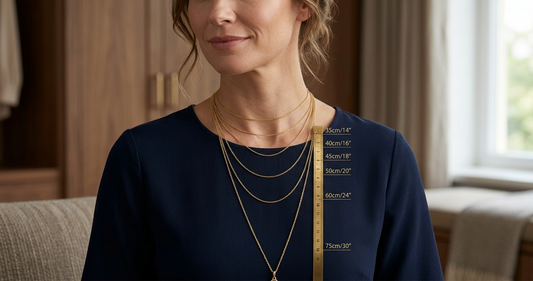
Leave a 2” gap between each necklace. A three-piece necklace set may be a 16″ short chain, 18” medium chain and 20” long necklace earring. This two-inch gap ensures that there is enough room to avoid contact between the metals, allowing free movement without contact.
2. Mix Different Chain Weights and Textures
Wearing identical chain styles, like three ultra-thin cable chains, increases the risk of tangling because the matching links easily lock together. To stop this, mix up your chain designs so they stay separate.
Pair a flat, smooth herringbone chain with a thick paperclip chain or a sturdy wheat chain. Flat chains move and act differently from rounded chains, and will not twist together easily. Besides, heavier chains are not as active, and this limits the chance of the lighter chains getting displaced.
3. Put the Heaviest Pendant at the Very Bottom
When it comes to keeping jewelry in place, gravity can be a natural ally. A long skinny chain with a light charm swings around constantly and easily loops your shorter necklace.
Always place your heaviest pendant on the longest chain at the bottom of the stack. The heavy weight of a solid gold piece or a gemstone pendant pulls the bottom strand down firmly. This constant downward pull keeps the long chain straight and stops lighter, higher chains from dropping down or wrapping around it.
4. Connect the Clasps End-to-End
Another amazing idea to create additional accessories without purchasing anything else is to link two necklaces into a long, standalone piece.
Take two necklaces and open both clasps. Put the clasp of the first necklace in the end ring of the second necklace. Bring the longer chain together to wrap twice around your neck, and secure the other half of the clasp to the other ring. This creates one single loop that you can adjust by sliding the chains. Because the pieces link directly together at the back of your neck, they cannot twist around each other.
5. Use a Multi-Chain Necklace Separator
The easiest way to prevent jewelry knots is to use a multi-chain detangler. This small metal tool is also called a necklace separator.
This little device features a magnet or a sliding tube with several small rings on each side. Attach the clasps of your individual necklaces directly to the rings on the separator, then use the main magnetic closure to put all the necklaces on at once. The solid metal piece keeps the ends of each chain completely separate, stopping the twisting that causes knots at the back of your neck.
Easy Maintenance for Layered Jewelry
The way you wear jewelry is only as important as the way you take care of and maintain it. Even the most effective hairstyles will not work if you’re starting with a pile of tangled chains.
-
Store Chains Vertically
Never throw thin chains into a single bowl or drawer at the end of the day. Loose metal links will transform easily into tight knots with the least bit of motion. Instead, hang your necklaces on a jewelry tree, wall hooks or a hanger.
Why Choose Hannoush Jewelers in Hadley?
Choosing good-quality jewelry pieces will make layering much easier. In the world of fine jewelry, Hannoush Jewelers in Hadley has a remarkable reputation. Their collection is rooted in family values, trust & excellent craftsmanship. They have more than forty years of experience to help you with the perfect shopping experience when it comes to finding durable and beautiful items that are ideal for everyday use. Whether you're hoping for top-notch chains, beautiful pendants, or luxury timepieces, you can rest assured you will be served great quality, which will also be personalised for all of your special moments.
Conclusion
Making a gorgeous multi-layered design doesn't mean you will be rolling out a frustrating bundle of chains at the end of the day. Keeping your chains organized is easy with different lengths, changing the texture, increasing the weight at the bottom, or using a necklace separator. Focus on using contrasting styles and maintaining balance to enjoy a comfortable look that stays in place. Using these simple tips makes learning how to layer necklaces straightforward, fun, and completely tangle-free.
FAQs
1. Why are the layered necklaces so clumpy?
Necklaces twist due to body movement, rubbing and matching weights. If the chains are equally long and thick, they oscillate with equal frequency and interlock.
2. Is it safe to stack various types of metals?
Yes, you can definitely mix yellow gold, white gold, rose gold, and sterling silver – and it looks quite stylish! Only use pieces that are finished neatly to avoid scratching.
3. What is the maximum number of chains I should layer?
Three chains will look fantastic for an everyday casual appearance and aren't too cumbersome to handle. Five or more strands will make layering extremely difficult to prevent tangling.
Tags:
Previous
What Mistakes Should You Avoid When Shopping for Diamond Wedding Bands?
Next
Top Anniversary Bands Trends in 2026: What Couples Are Choosing Right Now